
Libraries
WIU Home > Libraries > Area Studies > Nfls
News Flash
Hungary Parliamentary Elections
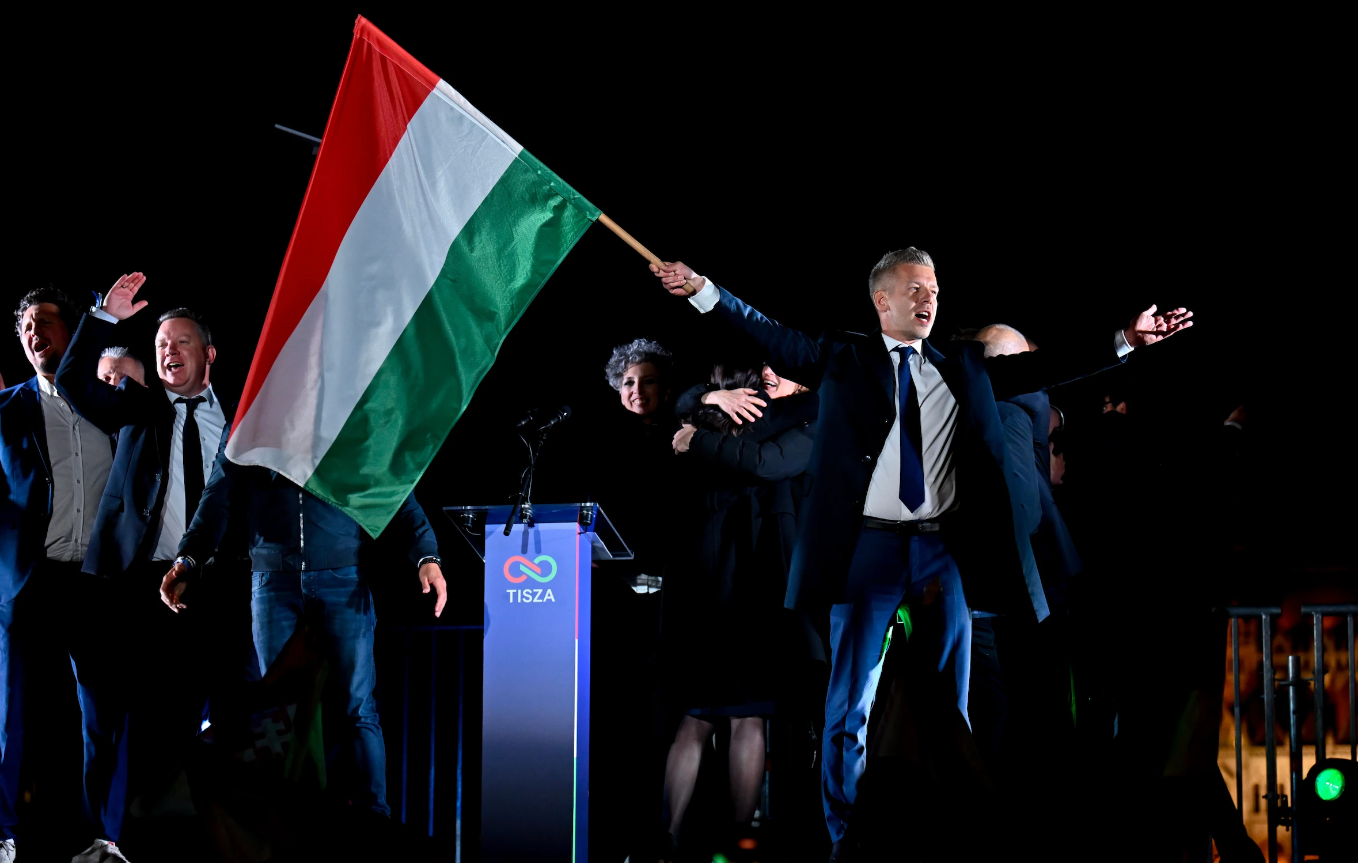
Hungary entered today with a fundamentally reconfigured political landscape following
yesterday’s parliamentary elections, which terminated Viktor Orbán’s 16-year tenure and yielded
a decisive mandate for Péter Magyar and the Tisza party. With voter participation approaching
80%, the electorate conferred upon Tisza an estimated twothirds supermajority in the 199seat
National Assembly, thereby creating institutional capacity for substantial revisions to the
constitutional and legal framework that had previously consolidated Orbán’s governing authority.
Orbán’s prompt concession, in which he characterized the outcome as “painful but
unambiguous,” signaled not only recognition of the new parliamentary configuration but also the
beginning of a transition to a redefined role in opposition.
The implications of this electoral realignment are substantial for both Hungary’s internal governance and its external relations, particularly within the European Union. Magyar has articulated a programmatic agenda centered on restoring credibility with European partners, recalibrating Hungary’s foreign policy orientation away from Moscow, and implementing more stringent anticorruption measures in response to longstanding critiques of clientelism and democratic backsliding. His victory address, delivered against the symbolic backdrop of the parliament building and large public gatherings along the Danube, has been widely interpreted as marking a generational inflection point and a societal demand for enhanced transparency, rule of law, and deeper European integration. In the near term, the composition of the new cabinet and the content of initial legislative initiatives will be key indicators of how this electoral shift is translated into concrete policy change in Budapest and Brussels.
The implications of this electoral realignment are substantial for both Hungary’s internal governance and its external relations, particularly within the European Union. Magyar has articulated a programmatic agenda centered on restoring credibility with European partners, recalibrating Hungary’s foreign policy orientation away from Moscow, and implementing more stringent anticorruption measures in response to longstanding critiques of clientelism and democratic backsliding. His victory address, delivered against the symbolic backdrop of the parliament building and large public gatherings along the Danube, has been widely interpreted as marking a generational inflection point and a societal demand for enhanced transparency, rule of law, and deeper European integration. In the near term, the composition of the new cabinet and the content of initial legislative initiatives will be key indicators of how this electoral shift is translated into concrete policy change in Budapest and Brussels.